
HeLa: the historical injustice that shaped modern medicine
23 January 2023

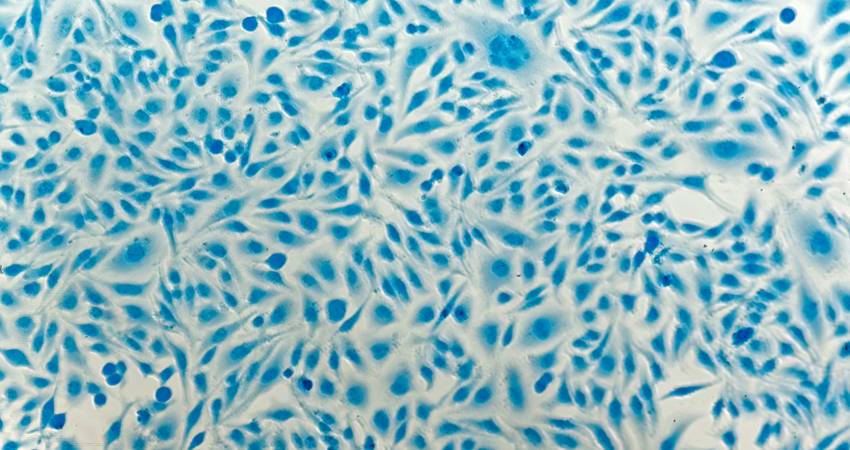 iStock.com/HeitiPaves
By Beth Roberts
The immortal ‘HeLa’ cells have been used in over 70,000 biomedical studies and generated countless breakthroughs. But the tragic story of the woman from whom the cells were taken casts a shadow over seven decades of research.
Medical research spanning everything from influenza drugs to polio vaccines and COVID-19 treatments, to Parkinson’s disease and even the impact of zero gravity on human cells, all share a common thread - HeLa cells.1
Since HeLa was isolated as the first immortal cell line in 1951, it has become a laboratory staple. If you piled all the HeLa cells grown over the last 70 years into a heap, it’s estimated they would weigh over 50 million metric tons. Placed end-to-end, they could wrap around the Earth over three times.2
However, the story of the woman behind the cells eclipses what would otherwise be a triumphant tale.
An immortal legacy
Henrietta Lacks was an African American woman who died from cervical cancer aged 31 in 1951. The HeLa cells, central to modern medicine, were taken from her cervix during a biopsy without consent.3
You might also like